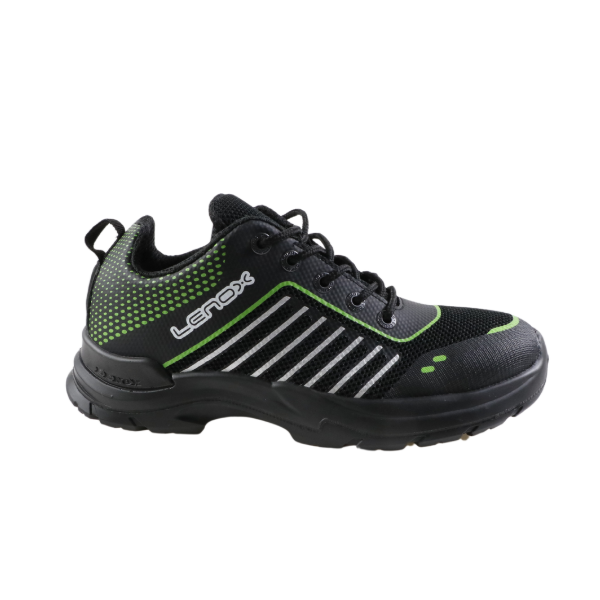
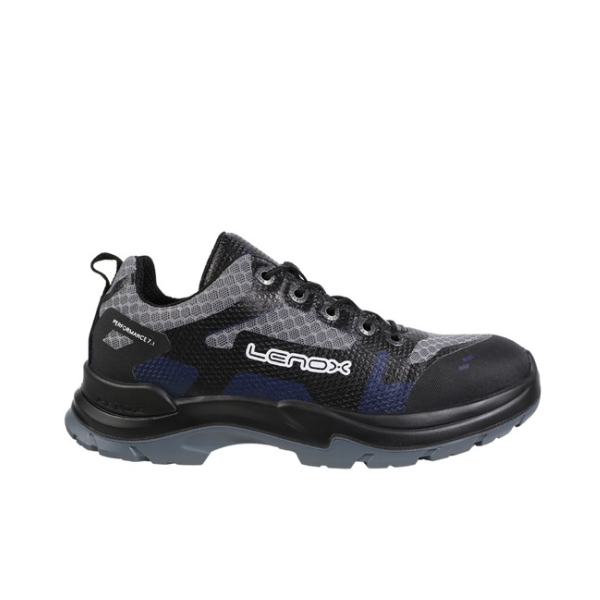
Shoes: Essential Protection, All-Day Comfort, and Reliable Performance
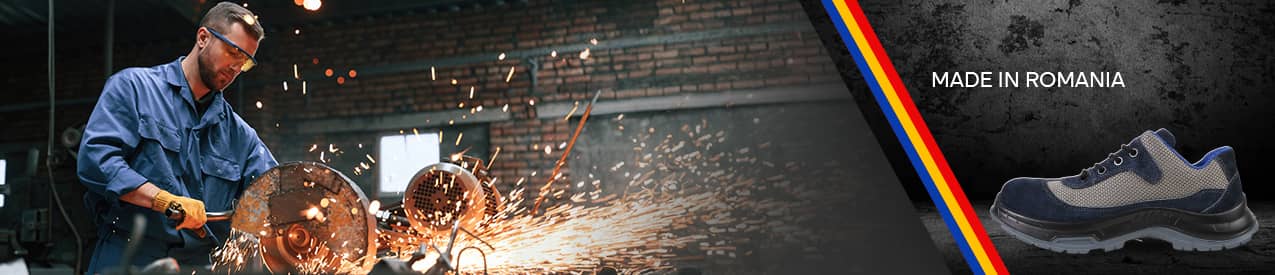
When your job demands long hours on your feet, compromise is not an option. The right footwear is the foundation of your safety and productivity. This selection of professional shoes combines certified protective features with advanced ergonomic design, ensuring you stay secure, stable, and comfortable from the start of your shift until the end.
We understand the challenges of demanding work environments—from slippery floors to the risk of impact or puncture. Our collection is curated to meet these needs, translating complex safety standards into tangible benefits you can rely on every day.
- Certified Safety Features: Integrated safety toe caps and, where required, anti-penetration midsoles (S1, S1P, S3 standards) to guard against common workplace hazards.
- Superior Slip Resistance (SRC): Outsoles rigorously tested for maximum grip on challenging surfaces, including wet ceramic tiles and oily steel.
- Ergonomic Comfort: Advanced cushioning systems and shock absorption in the heel area to significantly reduce foot and leg fatigue during extended wear.
- Durable Construction: High-quality materials, reinforced stitching, and robust sole attachment methods designed to withstand harsh industrial conditions.
- Climate Management: Breathable linings and materials that help regulate temperature and moisture, keeping your feet dry and comfortable.
Technology and Safety Standards Explained
Safety footwear is defined by its compliance with European standards (EN ISO 20345). Understanding these codes helps you choose the exact level of protection needed for your role. For instance, S1 models provide a protective toe cap, anti-static properties, and energy absorption in the heel. If your environment involves sharp objects on the floor, look for S1P or S3, which include an anti-penetration midsole.
The highest standard, S3, incorporates all these features plus resistance to water penetration, making them ideal for outdoor or wet environments. These standards are not just labels; they are a guarantee that the footwear has been tested to protect you against specific, real-world risks.
All-Day Comfort and Ergonomics
True comfort in work shoes goes beyond a soft lining. It involves engineering the shoe to support your body through hours of movement. Many models feature dual-density outsoles, where a softer layer provides cushioning while a harder layer ensures stability and durability. The shock absorption in the heel is crucial for minimizing the impact of walking on hard surfaces, reducing strain on your joints and back.
Furthermore, breathable materials are essential. They allow moisture vapor to escape, preventing overheating and maintaining a healthier environment inside the shoe, which is vital for preventing discomfort and fatigue during long shifts.
Reliable Grip on Difficult Surfaces (SRC)
Slips and falls are among the most common workplace accidents. That is why the SRC (Slip Resistance) rating is non-negotiable. This certification confirms that the outsole has passed stringent tests for adhesion on both ceramic tile floors (with detergent solution) and steel floors (with glycerol). When you see the SRC mark, you know the shoe is designed with specialized tread patterns and rubber compounds to maximize traction, giving you confidence and stability even when floors are wet or contaminated with oils.
Durability and Material Quality
Investing in quality footwear means choosing materials that last. Our selection includes options made from treated leather, which offers natural durability and water resistance, as well as advanced technical synthetics that provide lightweight strength and flexibility. Look for features like reinforced stitching and robust sole attachment methods (such as direct injection or Goodyear welting) that prevent premature separation and ensure the shoe maintains its protective integrity over time.
Quick Selection Guide
Choosing the right shoe depends entirely on your work environment. Do you work primarily indoors with a risk of sharp debris? Prioritize S1P. Are you often outdoors or dealing with liquids? S3 is the better choice due to its water resistance. For those on their feet all day, prioritize models emphasizing lightweight design and superior heel cushioning.
When selecting your size, always choose your usual fit, keeping in mind the thickness of the socks you plan to wear. Ensure there is adequate space for your toes to move slightly, especially if your feet tend to swell during long shifts.
Explore the full collection and select the model that provides the perfect balance of protection, comfort, and durability for your professional life.
Frequently Asked Questions (FAQ)
1. What types of activities are these safety shoes recommended for?
These shoes are recommended for a wide range of demanding professional activities, including construction, logistics, manufacturing, warehousing, maintenance, engineering, and field inspections—anywhere standardized protection against impact, compression, and puncture is required.
2. What do the standards (e.g., S1/S1P/S3, SRC) mean and how do they help me in practice?
S1 provides a safety toe cap, anti-static properties, and heel energy absorption. S1P adds an anti-penetration midsole to protect against sharp objects. S3 includes all S1P features plus resistance to water penetration. SRC is the slip resistance rating, confirming the outsole has been tested for reliable grip on wet ceramic and oily steel surfaces, significantly reducing the risk of falls.
3. Are they comfortable for daily wear during long shifts?
Yes. Comfort is a key focus. These shoes feature ergonomic designs, cushioned insoles, shock-absorbing heels, and often use lightweight and breathable materials. These elements work together to minimize fatigue and pressure points, making them suitable for extended periods of standing or walking.
4. Are they resistant to water/moisture and slippery surfaces?
Water resistance depends on the specific standard: S3 models offer resistance to water penetration. Regarding slippery surfaces, all models with the SRC rating provide tested, superior traction on wet, oily, or contaminated floors due to specialized tread patterns and rubber compounds.
5. How do I choose the right size and maintain them correctly?
To choose the right size, we recommend selecting your usual shoe size, considering the type of sock you will wear (thicker socks may require slightly more room). Ensure your toes have a small amount of space at the front. For maintenance, regularly clean the shoes according to the material (leather or synthetic), allow them to dry naturally away from direct heat sources, and use appropriate care products to preserve their protective features and longevity.