Work Boots: Certified Safety, All-Day Comfort, and Superior Grip for Demanding Environments
When your job demands long hours on your feet in challenging conditions, your footwear must be more than just protective—it needs to be a reliable partner. Our selection of work boots combines certified safety standards with advanced ergonomic design, ensuring you stay secure, stable, and comfortable from the start of your shift until the end.
Explore boots engineered for resilience, offering the necessary protection against impacts, punctures, and slips, without compromising on mobility or breathability.
- Standardized Protection: Featuring safety toe caps and, where required, anti-perforation midsoles (S1, S1P, S3) to guard against common workplace hazards.
- Exceptional Traction (SRC): Outsoles tested for superior slip resistance on wet ceramic tiles and steel floors contaminated with oil.
- Sustained Comfort: Designed with energy-absorbing heels, cushioned insoles, and breathable linings to minimize fatigue during extended wear.
- Robust Durability: Constructed from high-quality treated leather or technical synthetic materials, featuring reinforced stitching for maximum longevity.
- Weather Ready: Options available with water penetration resistance (S3 models) to keep your feet dry in damp or outdoor settings.
Technology and Safety Standards Explained
Safety footwear is categorized by specific European standards (EN ISO 20345) that define the level of protection offered. When selecting your boots, you will encounter key ratings:
- S1: Includes a safety toe cap (200 Joules), anti-static properties, and energy absorption in the heel area. Ideal for dry indoor environments.
- S1P: Adds an anti-perforation midsole (puncture resistance) to the S1 features. Essential when sharp objects are a risk.
- S3: The most common standard for outdoor or wet work. It includes all S1P features plus resistance to water penetration and absorption (water-resistant upper).
- SRC: This is the highest level of slip resistance, confirming the outsole has been tested on both ceramic tile (with detergent) and steel (with glycerol/oil).
Choosing the right standard means translating potential risks into practical protection. If you work around nails or sharp debris, prioritize S1P or S3. If you frequently encounter wet or oily floors, SRC is non-negotiable.
Ergonomics and All-Day Comfort
We understand that safety boots must be worn for 8, 10, or even 12 hours. That’s why comfort is engineered into every pair. Look for features like dual-density polyurethane (PU) outsoles, which provide excellent shock absorption, especially in the heel, reducing strain on your joints and back.
Internal components, such as breathable linings and moisture-wicking insoles, help manage temperature and humidity inside the boot, preventing overheating and discomfort. A well-designed last (the shape the boot is built around) ensures a supportive fit that minimizes pressure points, allowing you to focus on your tasks, not on aching feet.
Reliable Traction on Difficult Surfaces (SRC)
Slips and falls are among the most common workplace accidents. Our boots featuring the SRC rating are equipped with specialized tread patterns and rubber compounds designed to maximize contact and grip. This certification means the boots have undergone rigorous adherence testing on ceramic plates and steel surfaces under wet and oily conditions, offering you enhanced stability and confidence when navigating slippery floors.
Durability and Material Quality
Longevity is key to value. Our selection features boots built to withstand the rigors of industrial environments. Materials include robust, treated natural leather (known for its durability and ability to mold to the foot over time) or advanced synthetic textiles that offer lightweight strength and superior breathability.
Key durability indicators include reinforced stitching, especially around stress points, and direct injection sole attachment methods, which create a strong, seamless bond between the upper and the outsole, preventing separation and water ingress.
Quick Selection Guide: Finding Your Perfect Fit
Selecting the right boot depends on your specific work environment and personal comfort needs. Start by assessing the primary risks: Do you need puncture resistance (S1P/S3)? Do you need water resistance (S3)?
For comfort, consider the weight and the materials. If you are constantly moving, a lighter boot with excellent cushioning will reduce fatigue. If you are unsure about sizing, always choose your usual shoe size, keeping in mind the thickness of the socks you plan to wear. Ensure there is adequate space for your toes to move slightly, preventing rubbing and discomfort during long periods of standing or walking.
View the full selection in this category and choose the model that provides the ideal balance of protection, comfort, and durability for your professional life.
Frequently Asked Questions (FAQ)
1. What types of activities are these safety boots recommended for?
These boots are recommended for a wide range of demanding professional activities, including construction sites, logistics and warehousing, manufacturing and production lines, maintenance work, and field inspections—anywhere standardized foot protection and reliable grip are essential.
2. What do the standards (e.g., S1/S1P/S3, SRC) mean and how do they help me?
S1 provides a safety toe cap, anti-static properties, and heel energy absorption. S1P adds an anti-perforation midsole to protect against sharp objects underfoot. S3 includes all S1P features plus resistance to water penetration. SRC is the slip resistance rating, confirming the outsole’s ability to grip on wet and oily surfaces, significantly reducing the risk of falls.
3. Are these boots comfortable for daily wear and long shifts?
Yes. Comfort is a primary design focus. Features such as dual-density soles for consistent cushioning, ergonomic lasts, and breathable internal materials work together to absorb impact, support the foot, and manage moisture, helping to minimize fatigue throughout extended work periods.
4. Are these boots resistant to water/moisture and slippery surfaces?
Water resistance depends on the specific model: S3-rated boots offer resistance to water penetration. All models with the SRC rating are specifically designed and tested to provide reliable traction on slippery surfaces, including wet floors and those contaminated with oils.
5. How do I choose the right size and how should I maintain them?
We recommend selecting your usual shoe size, taking into account the type of sock you typically wear (thicker socks may require slightly more room). Ensure you have a thumb's width of space between your longest toe and the end of the boot. For maintenance, regularly clean the boots, allow them to dry naturally away from direct heat sources, and use care products appropriate for the upper material (leather conditioner or textile cleaner) to preserve their protective properties and longevity.


-600x600.jpg "Lenox Unisex Boots Model LNX 402 T3 – Protection...")
-600x600.jpg "Lenox Unisex Boots Model LNX 404 T1 – Protection...")
-600x600.jpg "lenox Unisex Boots Model LNX 405 T7 – Protection...")
-600x600.jpg "Lenox Unisex Boots Model LNX 406 T8 – Protection...")
-600x600.jpg "Lenox Unisex Boots Model LNX 407 T8 – Protection...")
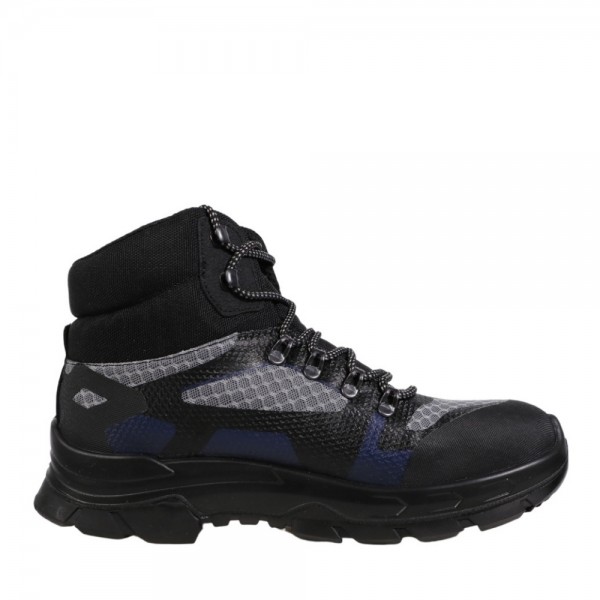
-600x600.jpg "Lenox Unisex Boots Model LNX 409 T8 – Protection...")